
Scientific Foundation
ECM: The Body's Natural Regenerative Scaffold
Why extracellular matrix is the only irreplaceable bioactive foundation for true tissue regeneration
Company Positioning
Why ECM?
In regenerative medicine, the material itself is the signal. ECM — extracellular matrix — is the only material system in biology capable of simultaneously providing structural support, bioactive signaling molecules, and tissue-specific microenvironmental context. These three functions in concert are the necessary conditions for true tissue regeneration — not merely wound closure. Hopefan Biotech's mission is to supply this natural regenerative foundation with reliable consistency and scale to global partners — from basic research to clinical translation, from raw material to finished product.
What is ECM?
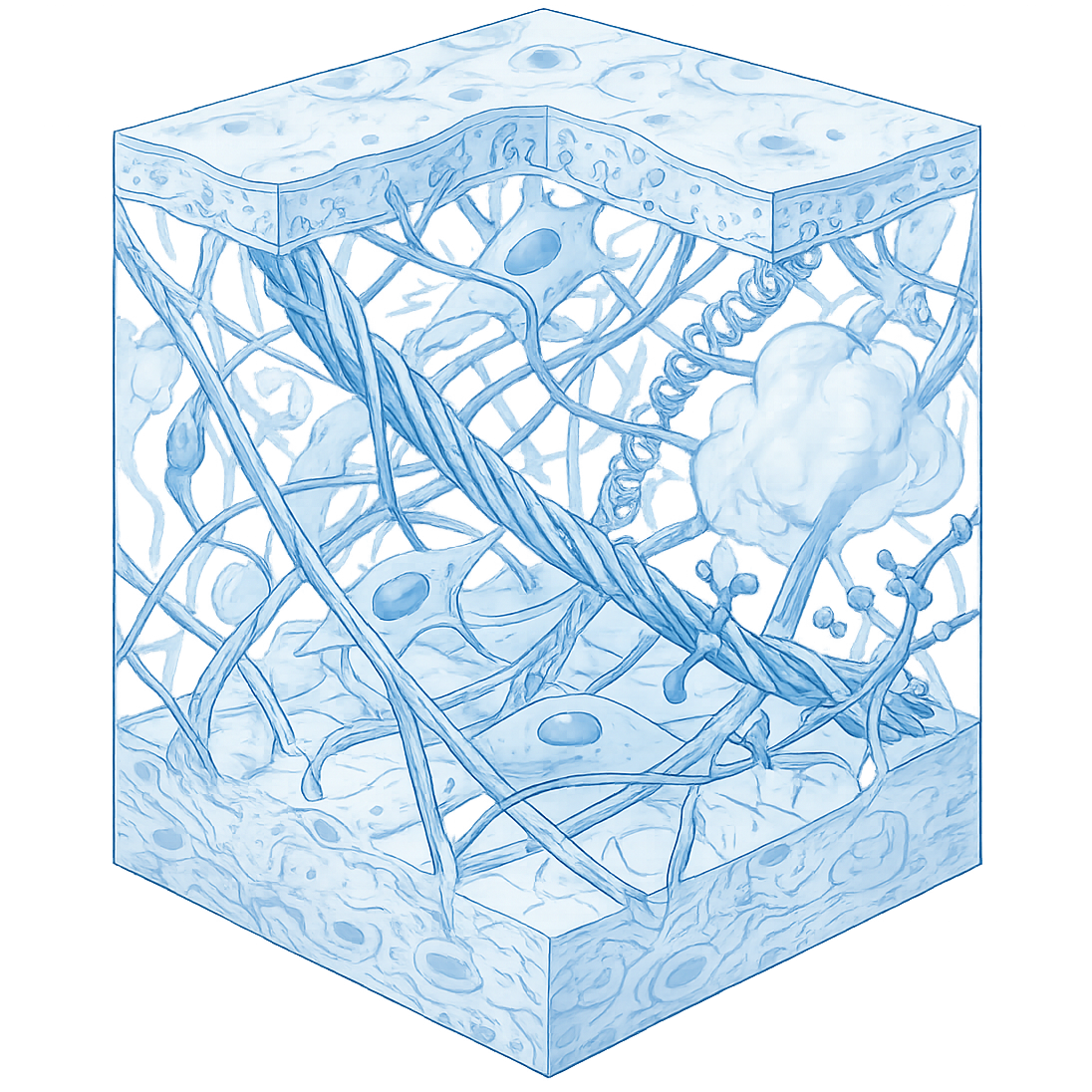
The extracellular matrix (ECM) is the non-cellular three-dimensional network distributed throughout all tissues and organs. It is not a passive scaffold — ECM is the dynamic bioactive foundation through which cells sense their environment, receive instructions, and coordinate behavior. The quality of tissue regeneration is fundamentally determined by the integrity of the ECM microenvironment.
Decoding ECM: The Biological Scaffold of Life
Dynamic 3D Network
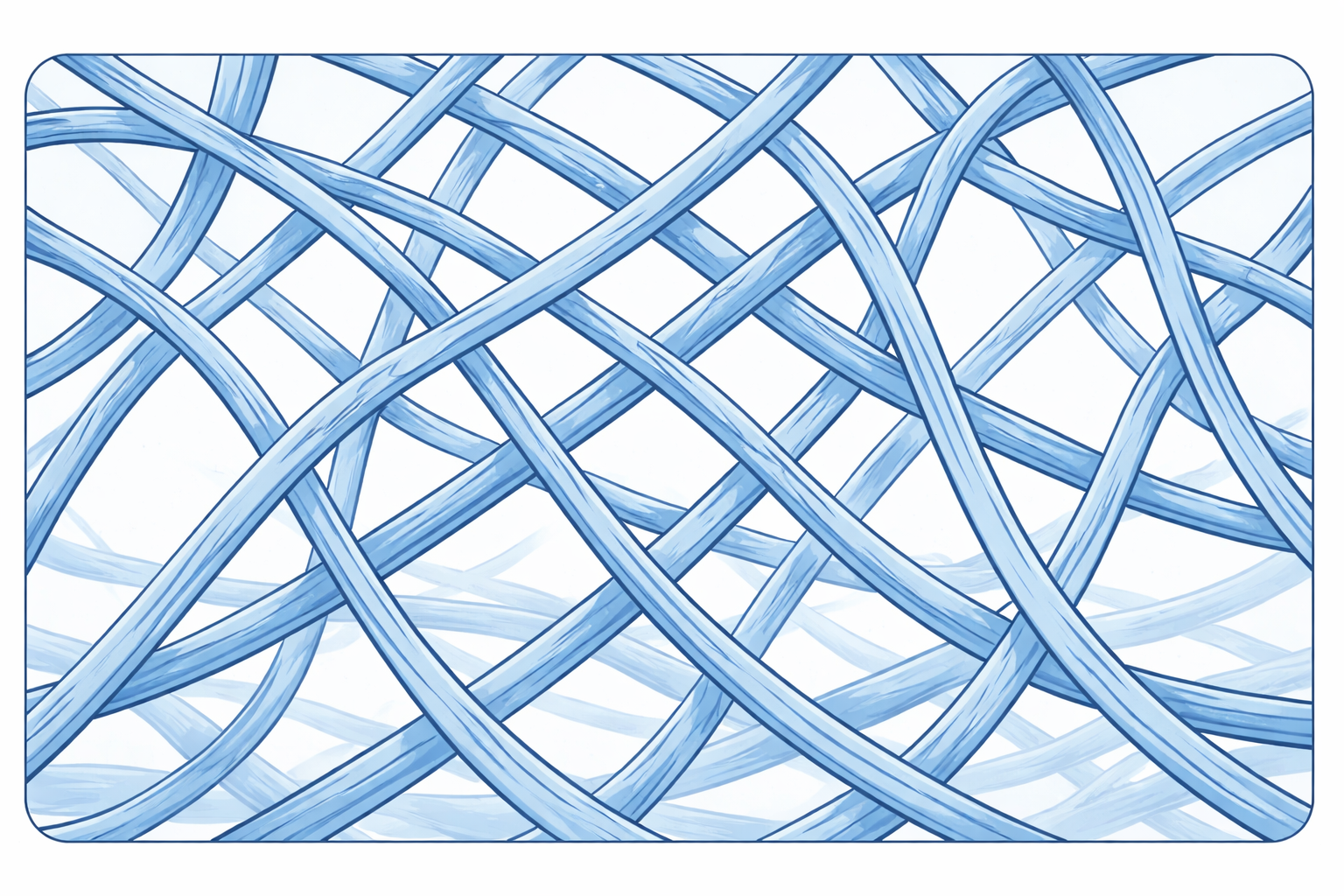
A complex framework of proteins and molecules that provides structural support for skin, muscle, and organs.
Regulator of Cell Behavior
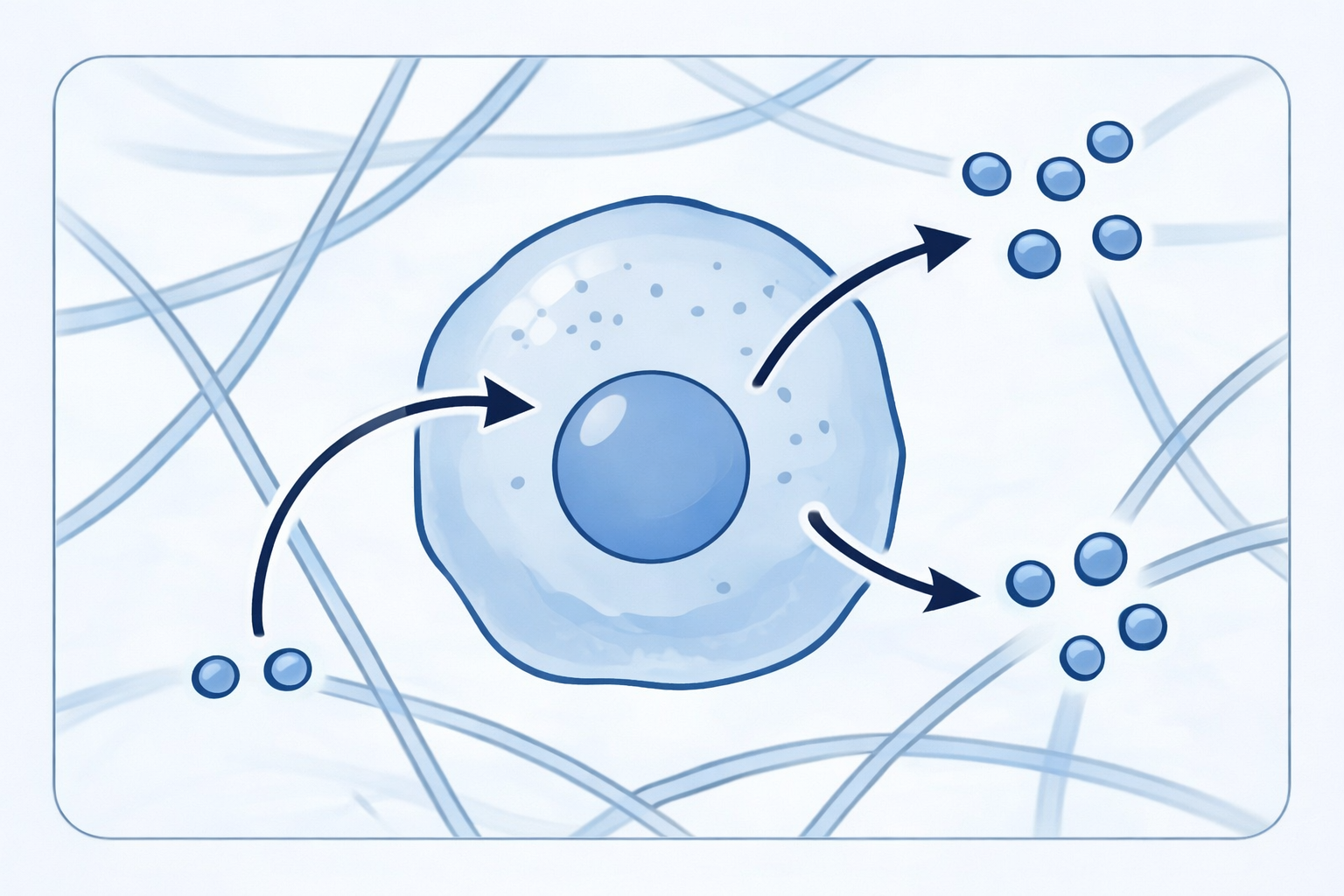
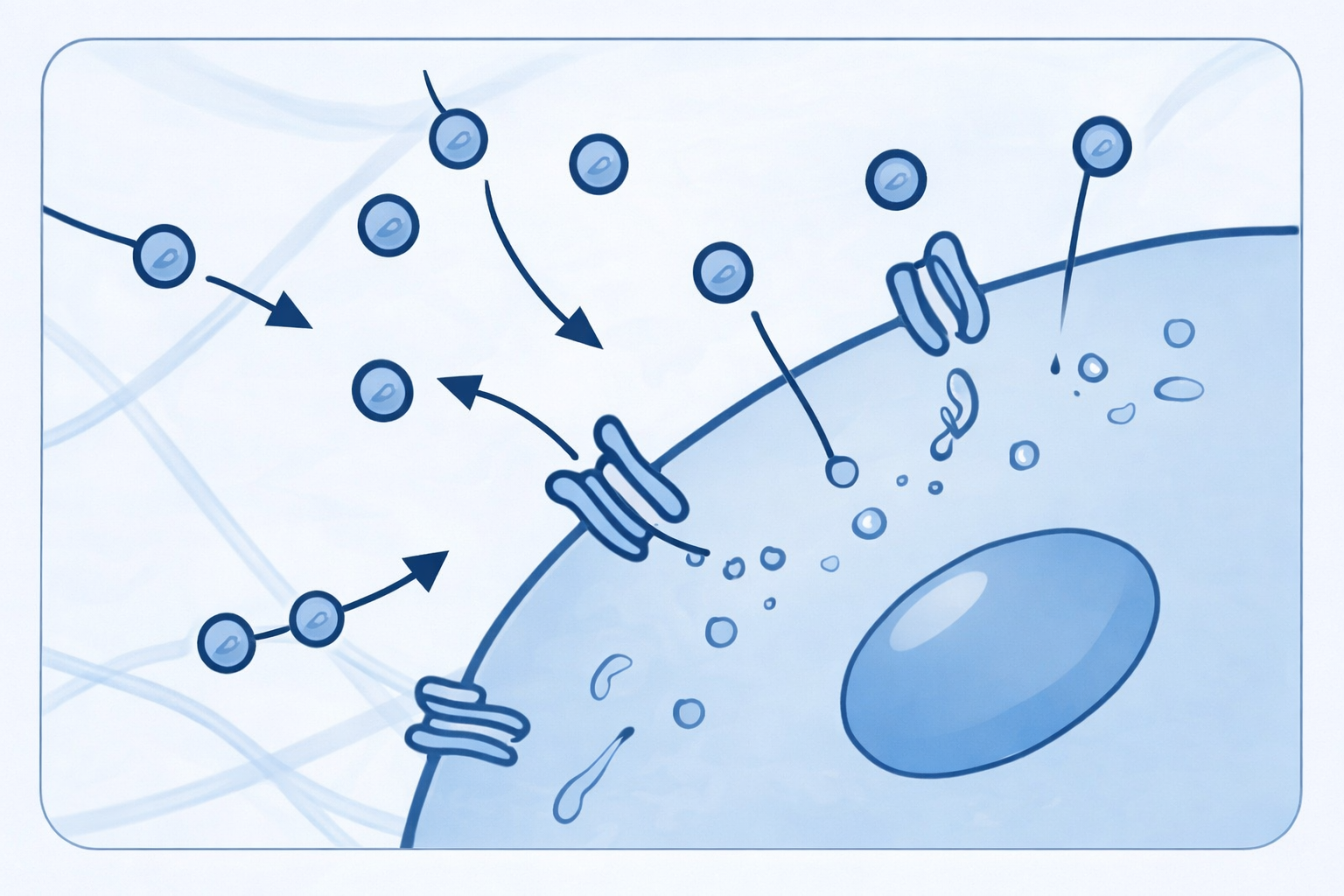
Sends biological signals to precisely control cell proliferation, differentiation, and immune-inflammatory responses.
Natural Regeneration Template
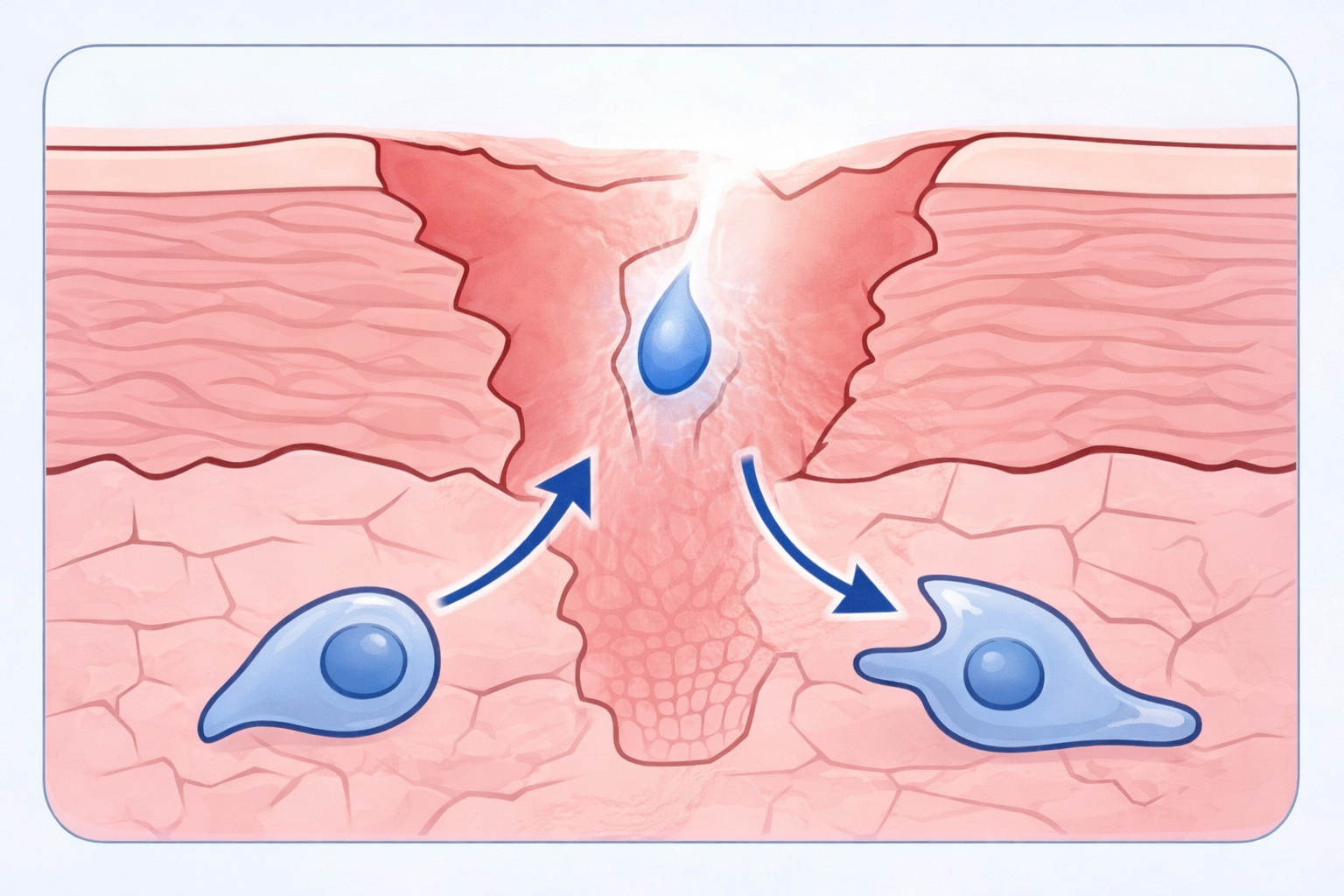
Attracts healing cells to damaged tissue and guides them in directed repair according to the original tissue architecture.
Key Components
Collagen
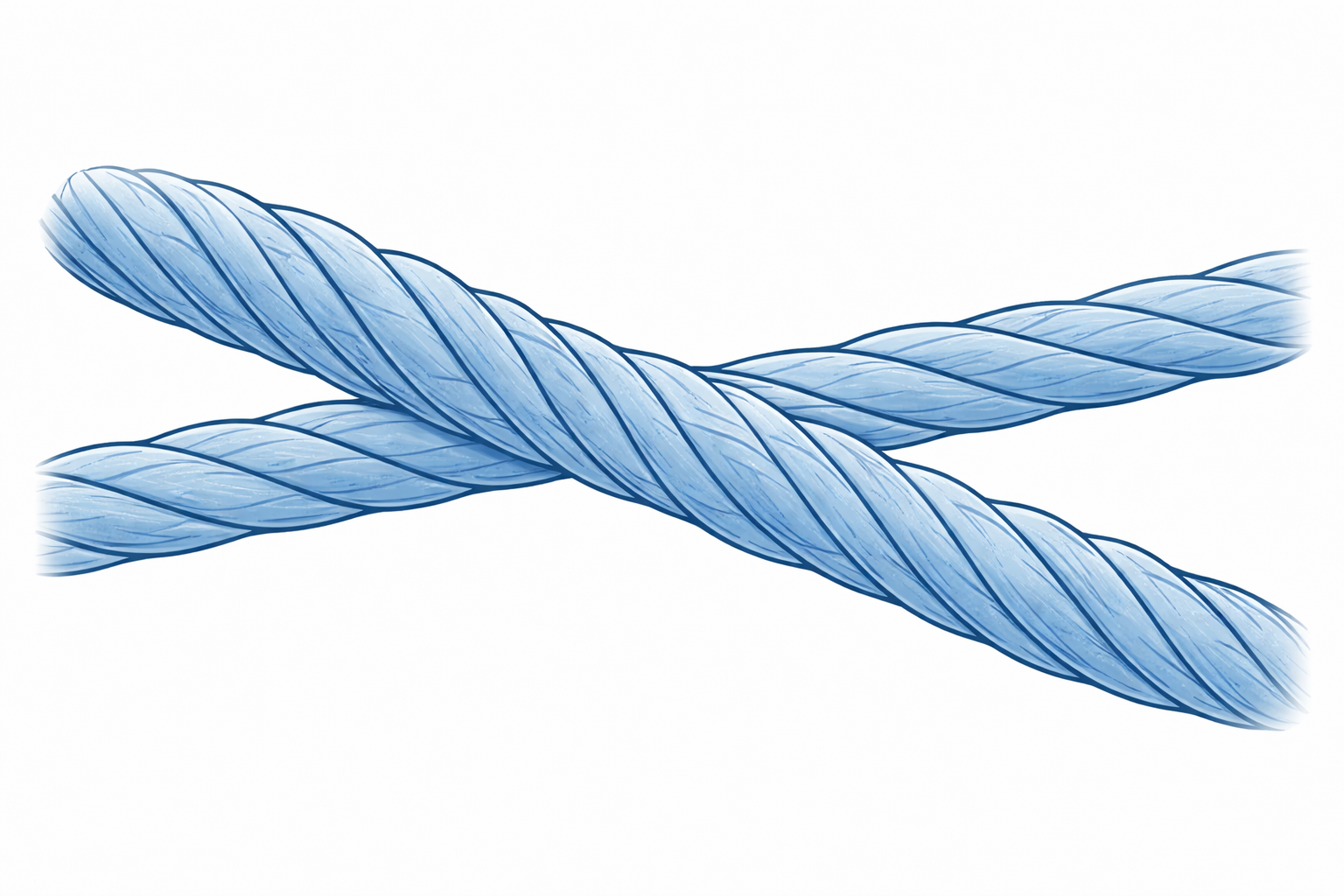
Primary structural protein providing tensile strength
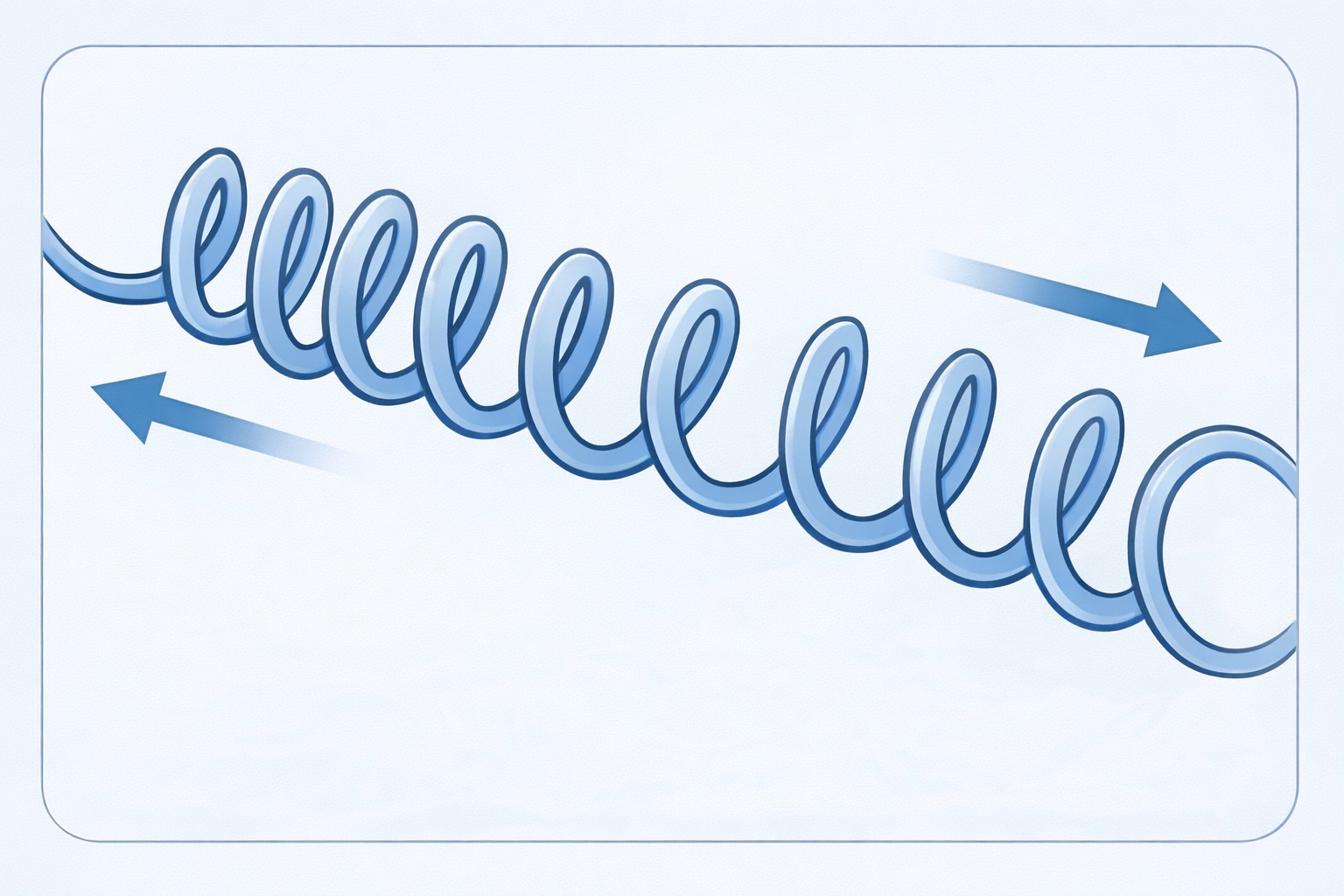
Elastin
Elastic fibers enabling tissue flexibility
Glycosaminoglycans (GAGs)
Polysaccharides that retain water and growth factors
How ECM Drives Tissue Regeneration
01
Structural Guidance
After skin structure is disrupted, residual ECM fibers form a 3D scaffold that directs host cells to attach and migrate along specific orientations.
02
Bioactive Signal Transduction
Growth factors and cytokines stored within ECM are slowly released, instructing cells to proliferate and differentiate.
03
Host Cell Integration
Native ECM actively recruits host cells to grow in and establish new vasculature, preventing the immune system from mounting a foreign body encapsulation response.
04
Progressive Tissue Replacement
As host cells secrete their own matrix, the ECM scaffold is progressively degraded and ultimately replaced entirely by autologous tissue.
权威研究背书
ECM Composition Determines Whether Tissue Regenerates or Scars
Researchers showed that the ECM — not molecular signals alone — is the primary switch between regeneration and fibrosis. Regenerating tissue is soft and HA-rich; scarring tissue is stiff and collagen-dominant. Stabilizing HA with HAPLN1 converted non-regenerative injuries into bone regrowth.
- HA-rich, soft ECM drives regeneration; collagen-heavy, stiff ECM drives fibrosis
- HA actively inhibits collagen assembly, mechanically blocking fibrosis
- HAPLN1 stabilization of HA converted scarring injuries into bone regrowth
Mui et al., Science, 2026 · DOI: 10.1126/science.ady3136
ECM in Aging Research
In April 2025, the journal Cell published a landmark review identifying ECM changes as one of the hallmarks of aging, underscoring the fundamental role of extracellular matrix in tissue homeostasis and regeneration.
Cell, 2025: "From geroscience to precision geromedicine: Understanding and managing aging"
Scientific FAQ
Explore HHP Technology
Learn how Hopefan's proprietary HHP decellularization technology achieves ~91% bioactive component retention while effectively removing all cellular material.